
ELARD · Meeting summary
AI that works on your own knowledge
Our meeting at ELARD: summary, IT infrastructure and next steps
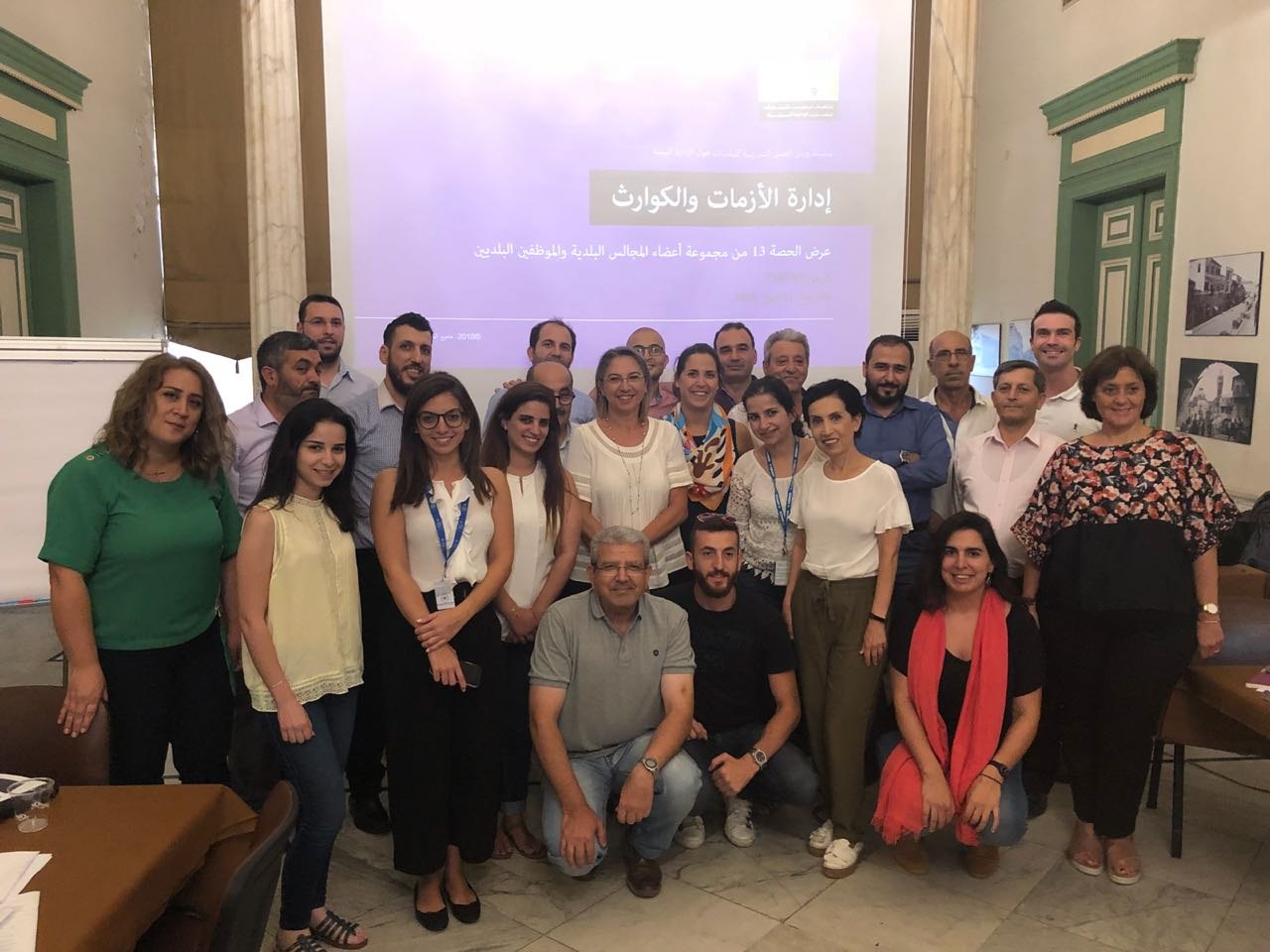
Our aim
Support every team at ELARD with AI that works on your own knowledge.
It takes the repetitive work off your engineers. It is built to assist them, not to replace them.
It drafts and searches. Your engineers check, decide and sign.
What we commit to
1
Your data stays in your company, on your own machine.
Nothing of yours is sent to an outside AI unless you approve it in writing, job by job.
2
Every answer drawn from your documents points to them.
Drafts stay marked as unverified until an engineer confirms each source. Before go-live we measure, on your own studies, how often answers are right.
3
The AI drafts; your people decide.
The system has no means to send mail, sign or issue a price. We show you this in the acceptance test.
4
Built to assist your people, not to replace them.
The AI takes the repetitive part of the work. Staffing decisions remain yours.
5
Your data is yours.
You can export all of it at any time.

Why your own system
Rather than a cloud subscription
01
Your data never leaves ELARD.
It stays on your own machines, at your own sites, under your own keys. No cloud contract can say that.
02
It keeps working when online services fail or change.
In 2026, online AI services have had outages, policy changes and retirements.
03
It is built around your own studies, templates and corrections,
by people who come to your office.
What to expect. A system on your own machine is narrower than the largest public assistants. Its strength is that it works on ELARD's own studies. The pilot shows you how well, before you decide.
The first job, and how we prove it
A measured pilot, before anything is bought
1
After the walkthrough
One type of study you choose, before any machine is bought.
2
Your published studies
A handful of your past studies already published, on our own test machine: nothing confidential leaves ELARD.
3
We measure
How often the answers were right, how long a first draft takes, how well it reads Arabic and scanned reports.
4
Every draft checked
Marked unverified until an engineer confirms each source. Maps drawn by your mapping software; your specialist checks.
5
You decide
The result sizes the machine and how many people it serves at once.
The IT infrastructure ELARD will need
Whichever option you choose
One dedicated AI machine
At your main office, specified after the pilot.
A safe place
A small room or cabinet with cooling, and two named key holders.
Power protection
A backup power unit at each site; a clean shutdown and restart if all power fails.
Your internet line
And a second line if possible: your other offices reach the system through it.
An encrypted private link
Only the people and devices you authorise. Tested with you before go-live.
Disks for the backups
Kept in three places of your choice.
Your IT contact and a deputy
Trained by us; every user also gets a short training.
Security updates
On a rhythm agreed in writing; every action is recorded.
Why we cannot name the machine yet. One machine, a larger professional machine, or more than one: the pilot measures the real work first, and the cost comes with our options.

Two options
The same system, the same commitments
Option 1: One machine
- One machine at your main office; the pilot tells us how many people it serves at once.
- Encrypted backups in three places: two copied every day, one of them outside the building; the third copied weekly, then unplugged.
- If it stops, your teams work as they do today; it is restored from the latest backup.
- At most, the work done since the last daily backup is lost.
Option 2: Two machines
- A second machine at a second ELARD site. On a normal day both serve your teams and share the work.
- If one stops, the other carries everyone; your IT contact or a named deputy handles the switch, rehearsed with both.
- A small third machine, recommended, makes the switch automatic and safe.
- Where the second site is, and in which country, we decide together after the legal check.
You can start with the first and add the second machine later: nothing is thrown away.

ELARD · Next step
Thank you
Rawad leads our team and is your contact.
Before the walkthrough, we sign a confidentiality agreement with you.